Driveways
MCH Landscaping designs and lays driveways for homes in Lowestoft and across Norfolk and Suffolk.
A driveway built for the way you use it
A driveway is one of the first things people notice about a home, and it has to cope with cars, weather and daily use for a long time. Getting the groundwork, the levels and the drainage right matters as much as the surface you can see.
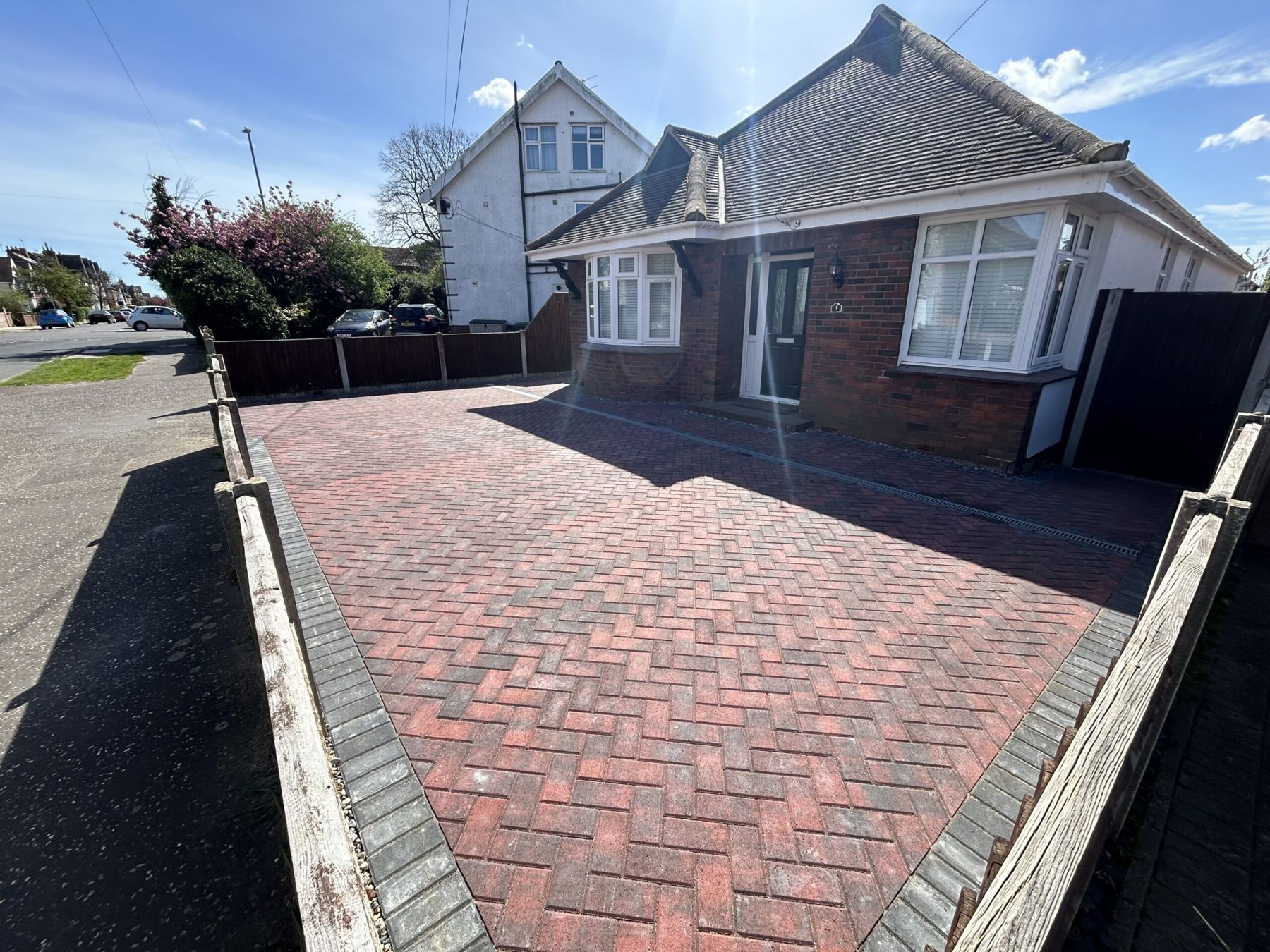
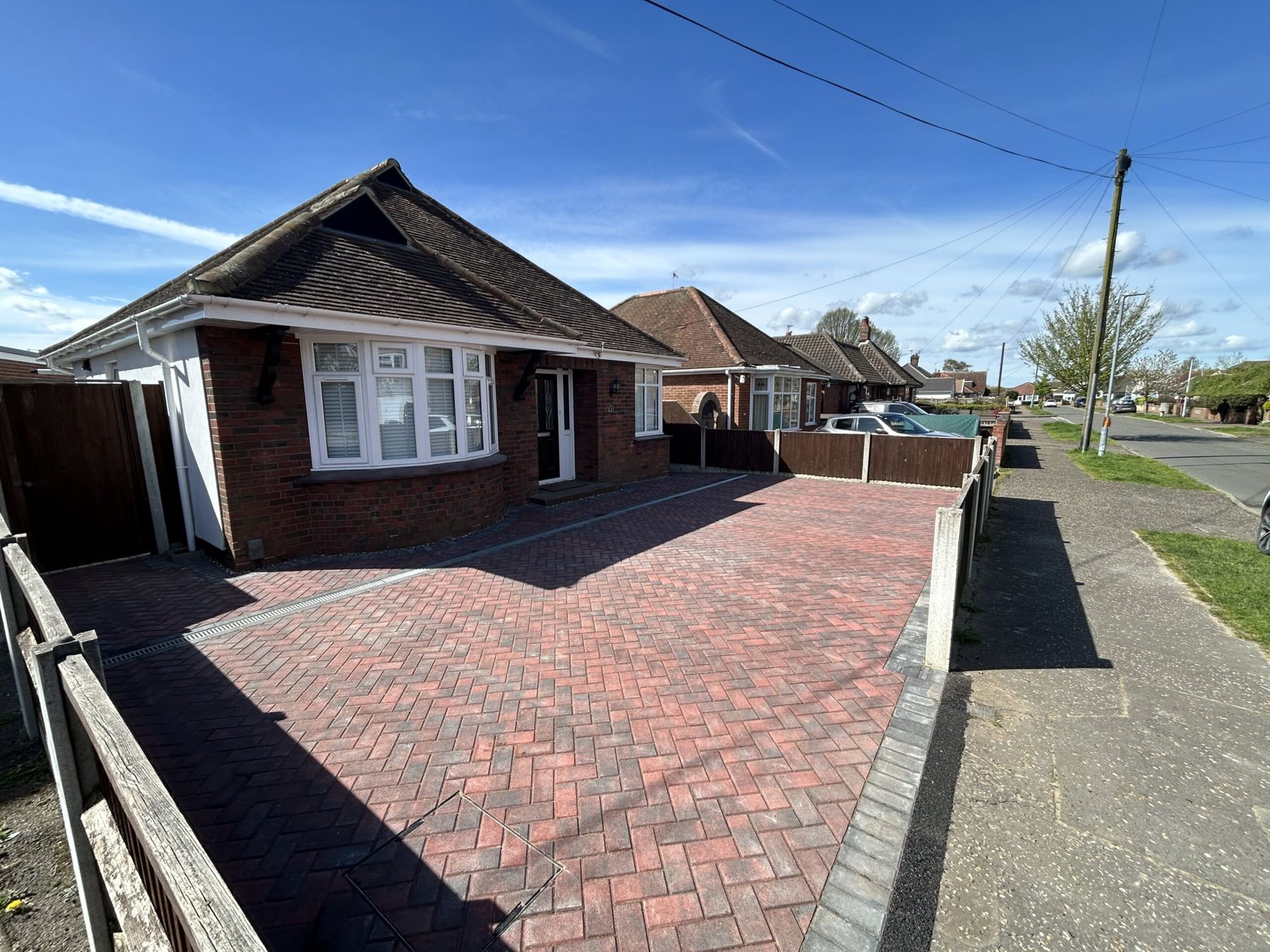
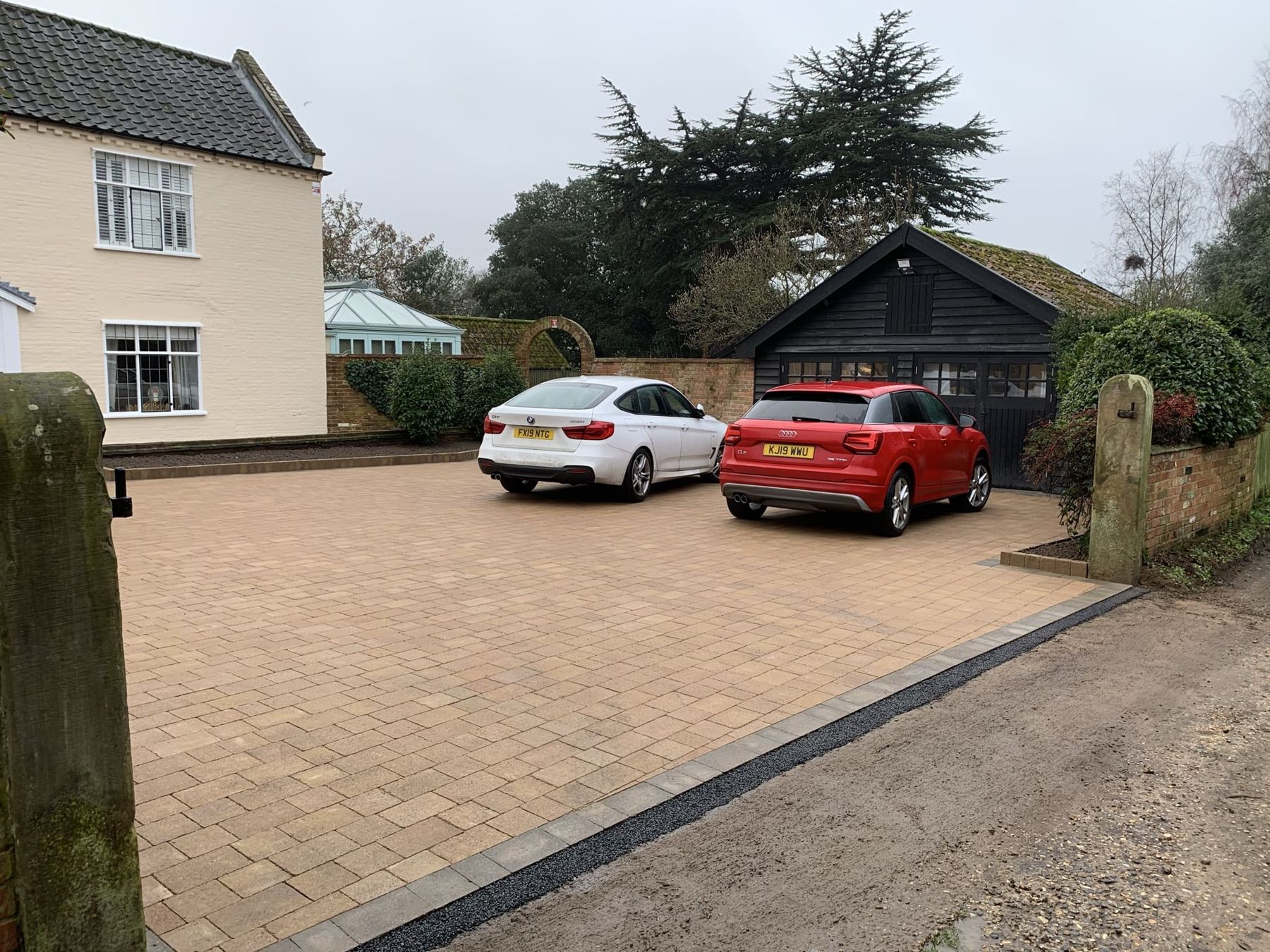
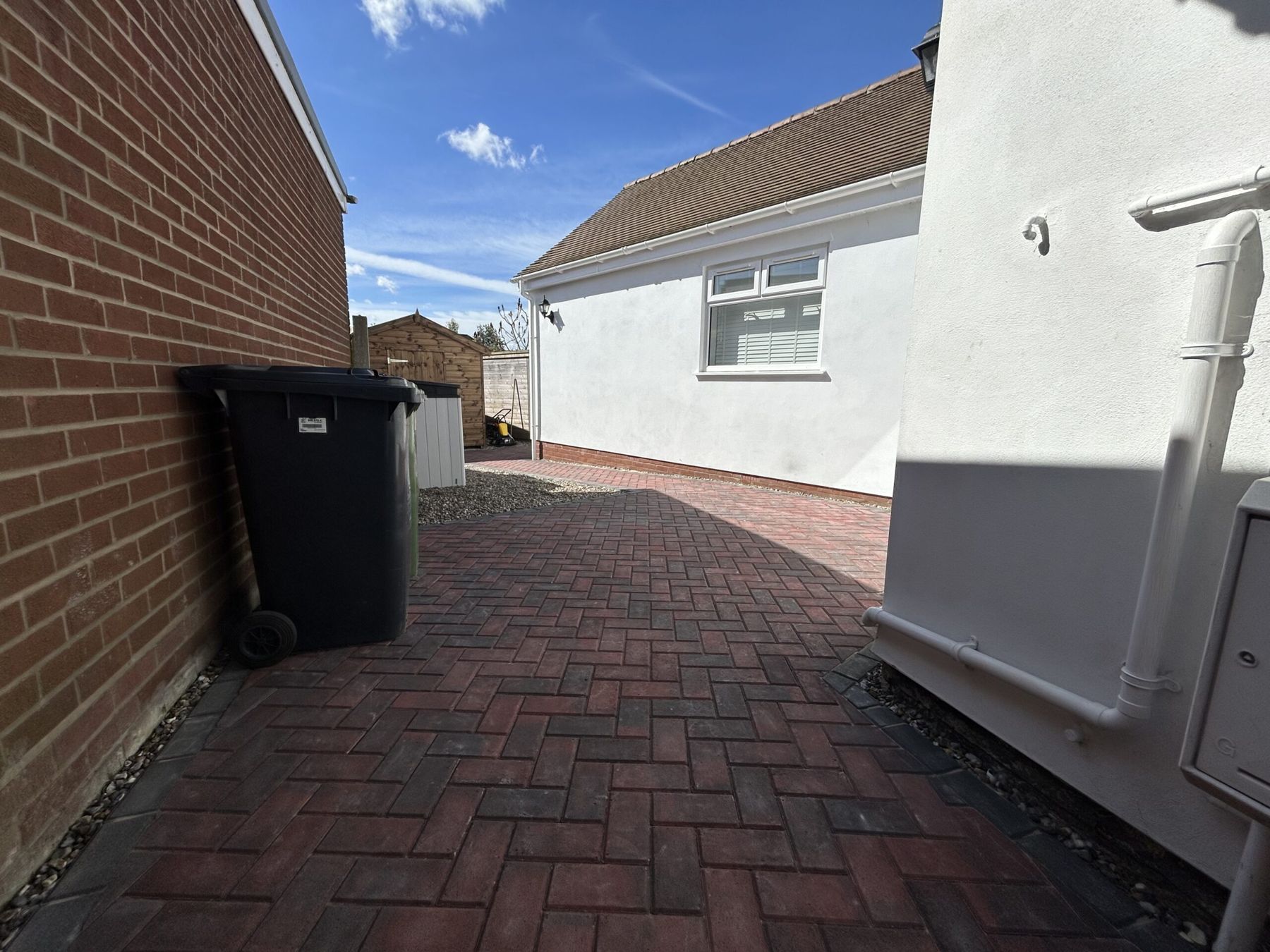
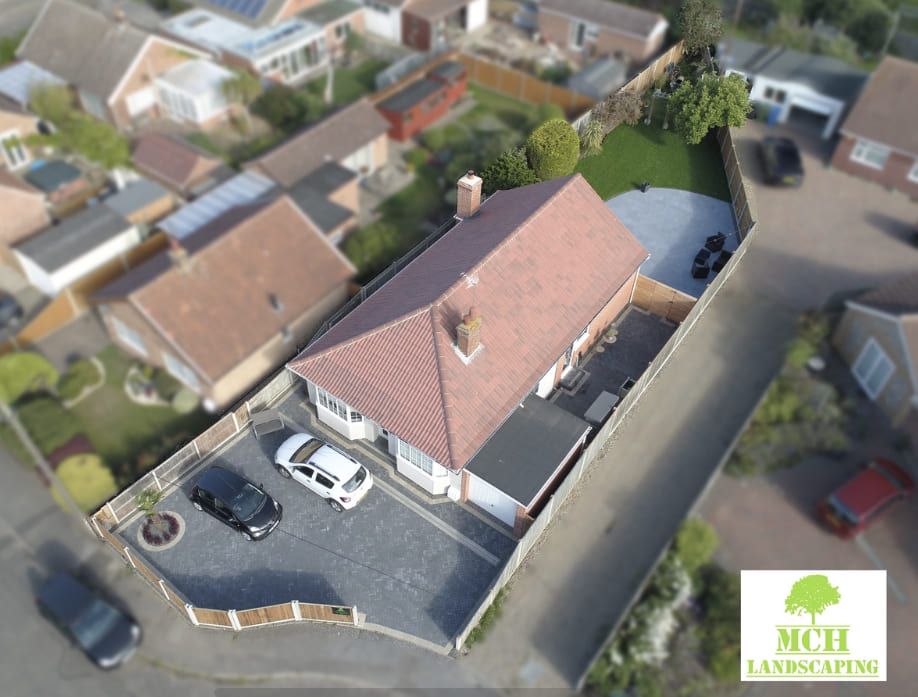
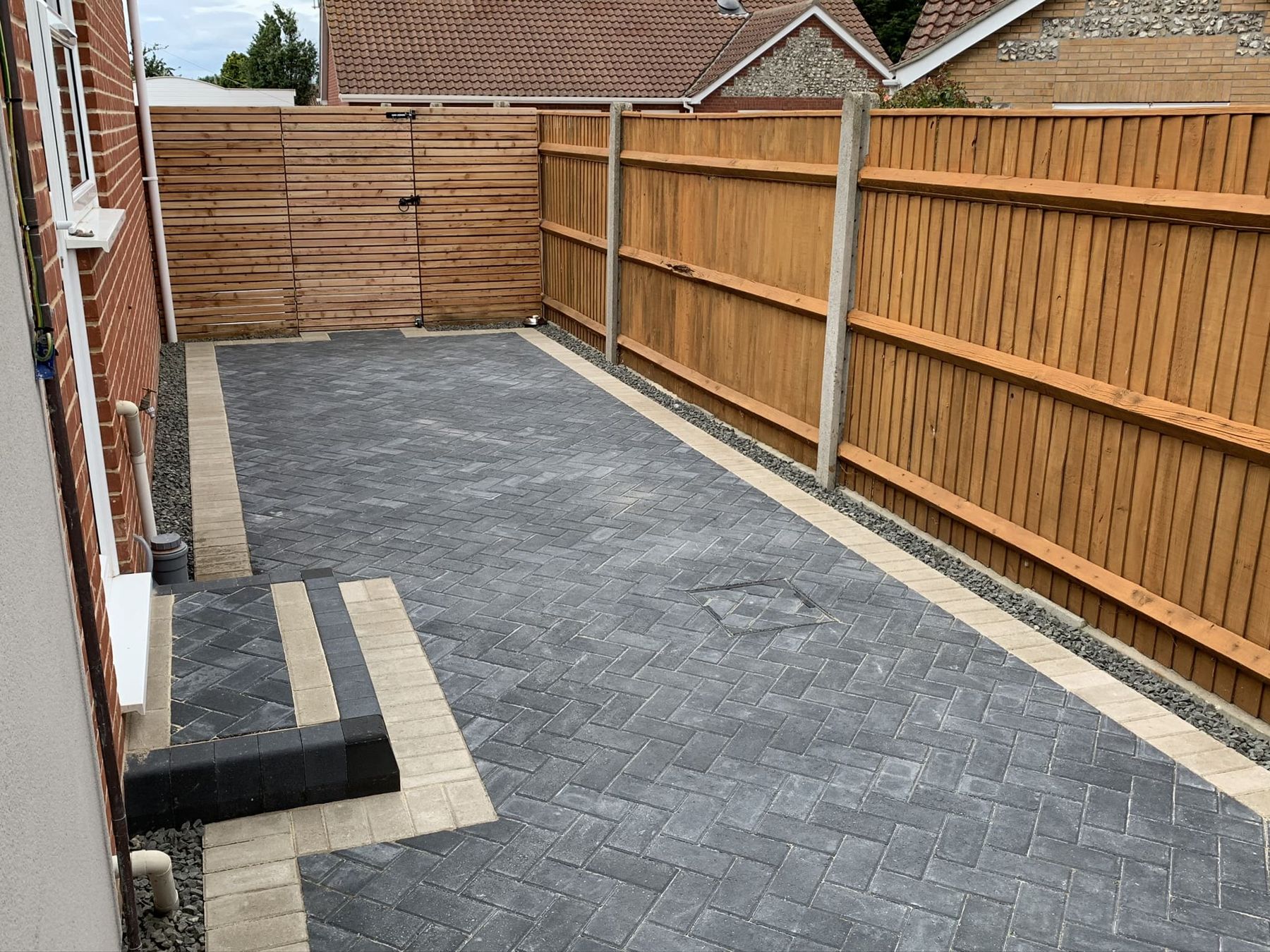
We lay block paving, gravel, resin-bound, tarmac and natural stone driveways, and can carry the same surface into paths, side passages and steps so that the whole frontage ties together. Block paving can be laid in a pattern and colour of your choice, such as a herringbone or a contrasting border.
If your existing driveway is tired rather than failing, it may not need replacing at all: we also pressure wash block paving and patios, re-sand the joints and apply a sealant.
What a new driveway includes
-
A site visit and survey
We look at the area, the levels, the existing surface, the drainage and anything underground such as manholes.
-
Digging out
Removing the old surface and soil to the depth the new driveway needs, and taking the waste away.
-
A sub-base for vehicles
A compacted base built up in layers, which is what stops a driveway sinking or rutting under cars.
-
Edging and drainage
Kerbs or edging to hold the surface in place, and drainage planned in so water runs where it should.
-
The surface you choose
Block paving, gravel, resin-bound, tarmac or natural stone, laid to the agreed pattern and levels.
-
Finishing touches
Edging, lighting and planting where they are part of the design, and the site left clean.
What to plan before a new driveway
-
Planning permission for front gardens
In England, covering more than five square metres of a front garden with a hard surface that drains onto the road needs planning permission. A permeable surface, or one that drains to a lawn or border, does not.
-
A dropped kerb
If the driveway needs a new or wider dropped kerb, that is approved by the highway authority (Norfolk or Suffolk County Council), not by the landscaper. Apply before the driveway is built.
-
How many cars, and how they turn
Measure the cars you have now and might have later, and think about getting in and out of doors and reversing onto the road.
-
Levels, drainage and the house
The driveway should fall away from the house, and finished paving next to a wall should stay well below the damp-proof course, normally at least 150mm.
-
What is underground
Manholes, gas and water pipes and cables all affect the build. Inspection covers can be replaced with recessed covers that take the paving.
Good to know
-
Each surface has its own upkeep
Gravel moves and needs raking and topping up; block paving joints need re-sanding over time; resin-bound and tarmac need little more than sweeping and washing.
-
Resin-bound is not resin-bonded
Resin-bound driveways mix the stone into the resin and let water drain through. Resin-bonded scatters stone onto a resin layer and is not permeable. Ask which one you are being quoted for.
-
New surfaces need time to settle
Resin needs to cure and new tarmac stays soft in hot weather at first, so keep heavy use and sharp turning off a new surface until you are told it is ready.
-
Cleaning brings an old drive back
Moss, weeds and staining make a driveway look older than it is. Pressure washing, fresh jointing sand and a sealant can make a real difference before replacement is needed.
How a driveway job works
-
Consultation and planning
We visit, measure and talk through how you use the driveway, your budget and the surface you would like.
-
Design and material selection
We agree the layout, the levels, the drainage and the materials, and you see the plan before work starts.
-
Installation
We dig out, build the sub-base, set the edging and lay the surface.
-
Finishing touches and aftercare
We add edging, lighting or planting where planned, clear the site and tell you how to look after the new surface.
Questions customers ask
Which driveway surface is best?
It depends on the house, the budget and the upkeep you want. Block paving is hard-wearing and comes in many colours and patterns; gravel is cost-effective and drains well; resin-bound is smooth and permeable; tarmac is practical for heavy use; natural stone gives a classic finish.
Do I need planning permission for a new driveway?
Not usually, if the surface is permeable or drains to a lawn or border. Covering more than five square metres of front garden with a hard surface that drains onto the road needs planning permission in England.
Do I need permission for a dropped kerb?
Yes. A new or wider dropped kerb is approved by the highway authority, which for most of our customers is Norfolk or Suffolk County Council. Apply before the driveway is built.
Can the paving carry on into paths and side passages?
Yes. Running the same paving into paths and side passages, or adding a contrasting border, is a good way to tie a frontage together.
My driveway looks tired. Does it need replacing?
Not always. We offer pressure washing for driveways, paired with fresh paving sand and a sealant, which can bring a sound driveway back to life.
What happens to manhole covers?
They stay accessible. Where they spoil the look, they can be swapped for recessed covers that take the same paving as the driveway.