Patios & Pathways
MCH Landscaping lays patios, paths and steps for homes in Lowestoft and across Norfolk and Suffolk.
Patios and paths that hold the garden together
A hard landscaping feature is often a main focal point to a beautiful garden or driveway and here at MCH Landscaping we are able to complete a wide variety of hard landscaping features to enhance your garden.
Whether it’s a grand, bespoke patio or a small raised sleeper bed we put the same high standard of work into every project and always strive to meet the customers’ expectations and needs.
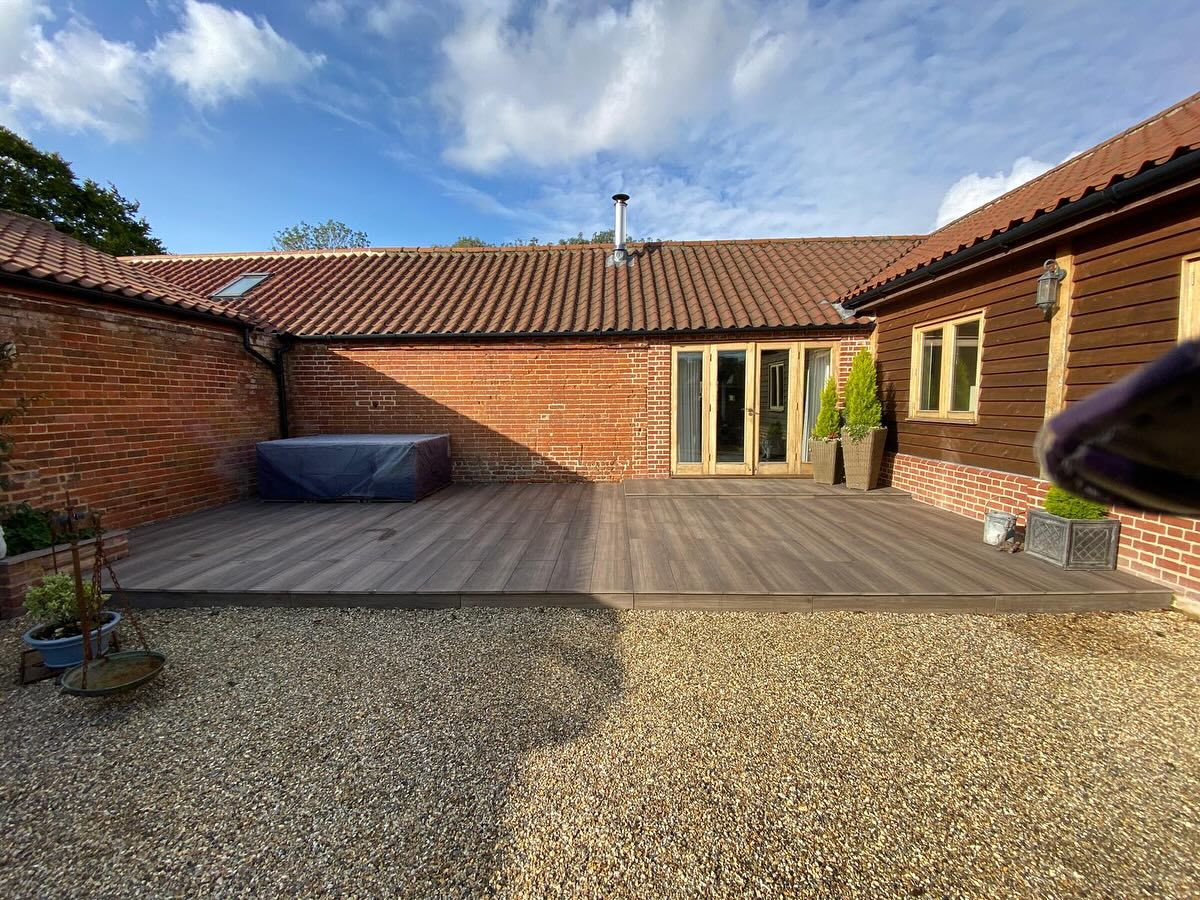
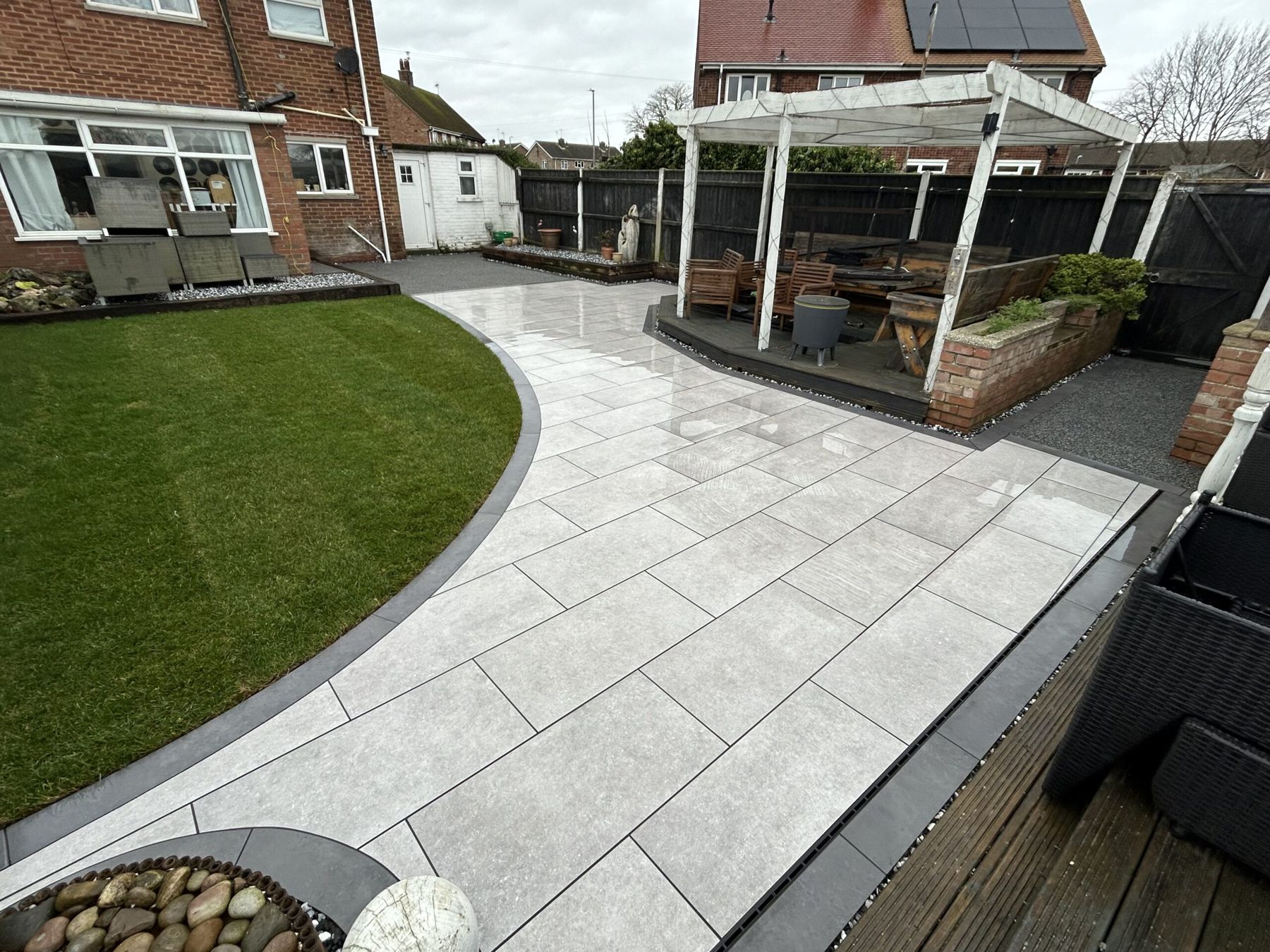
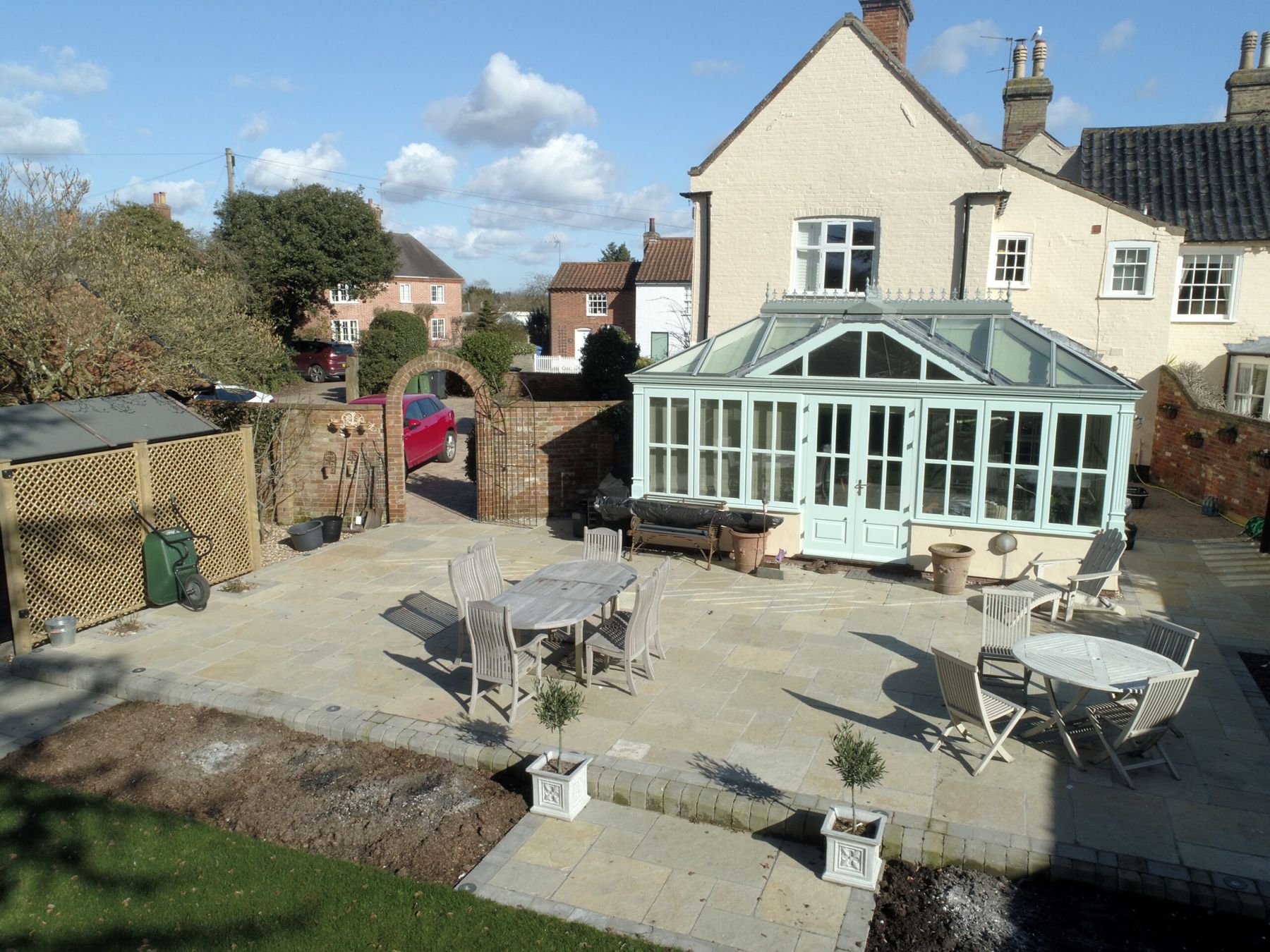
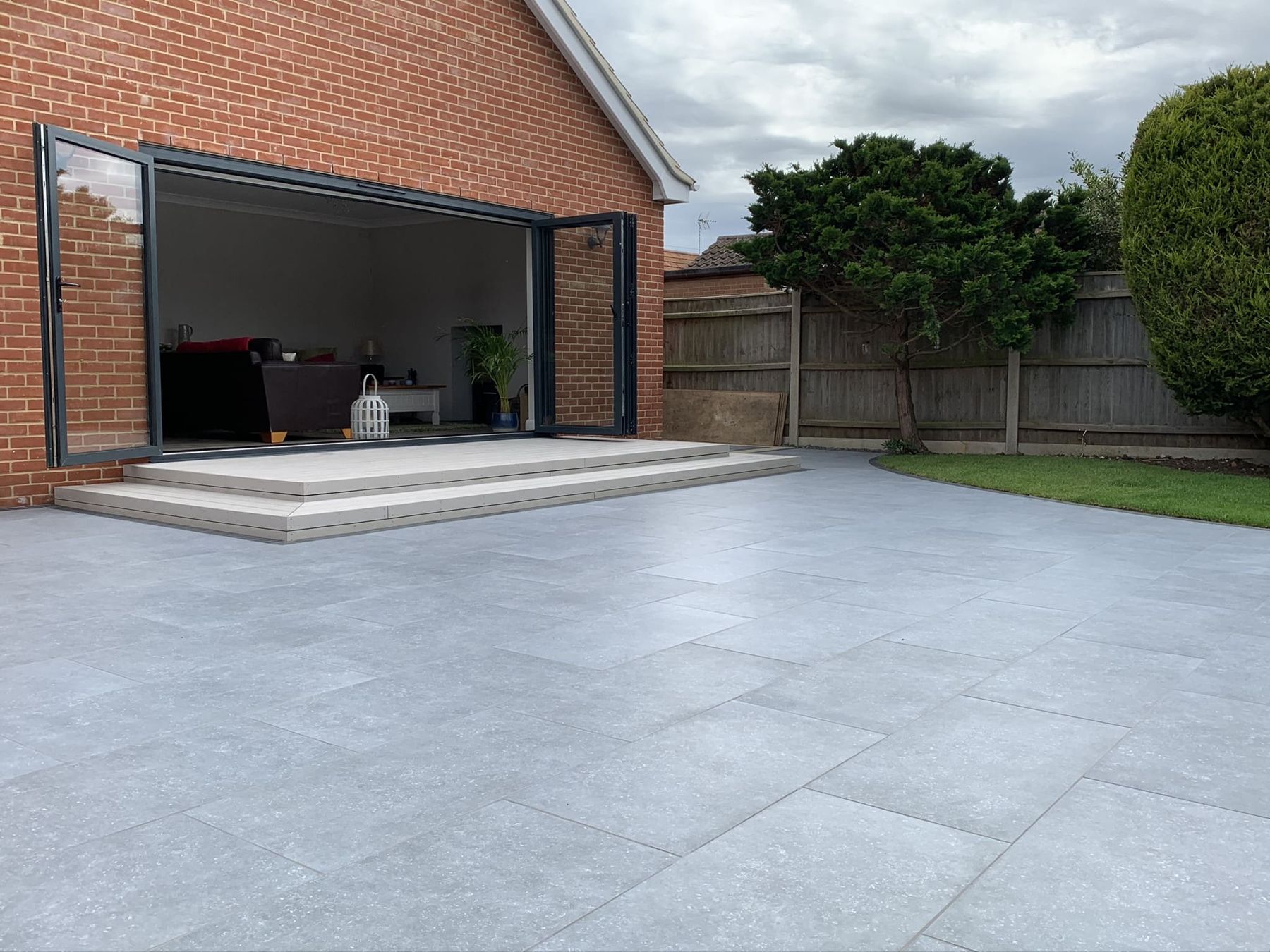
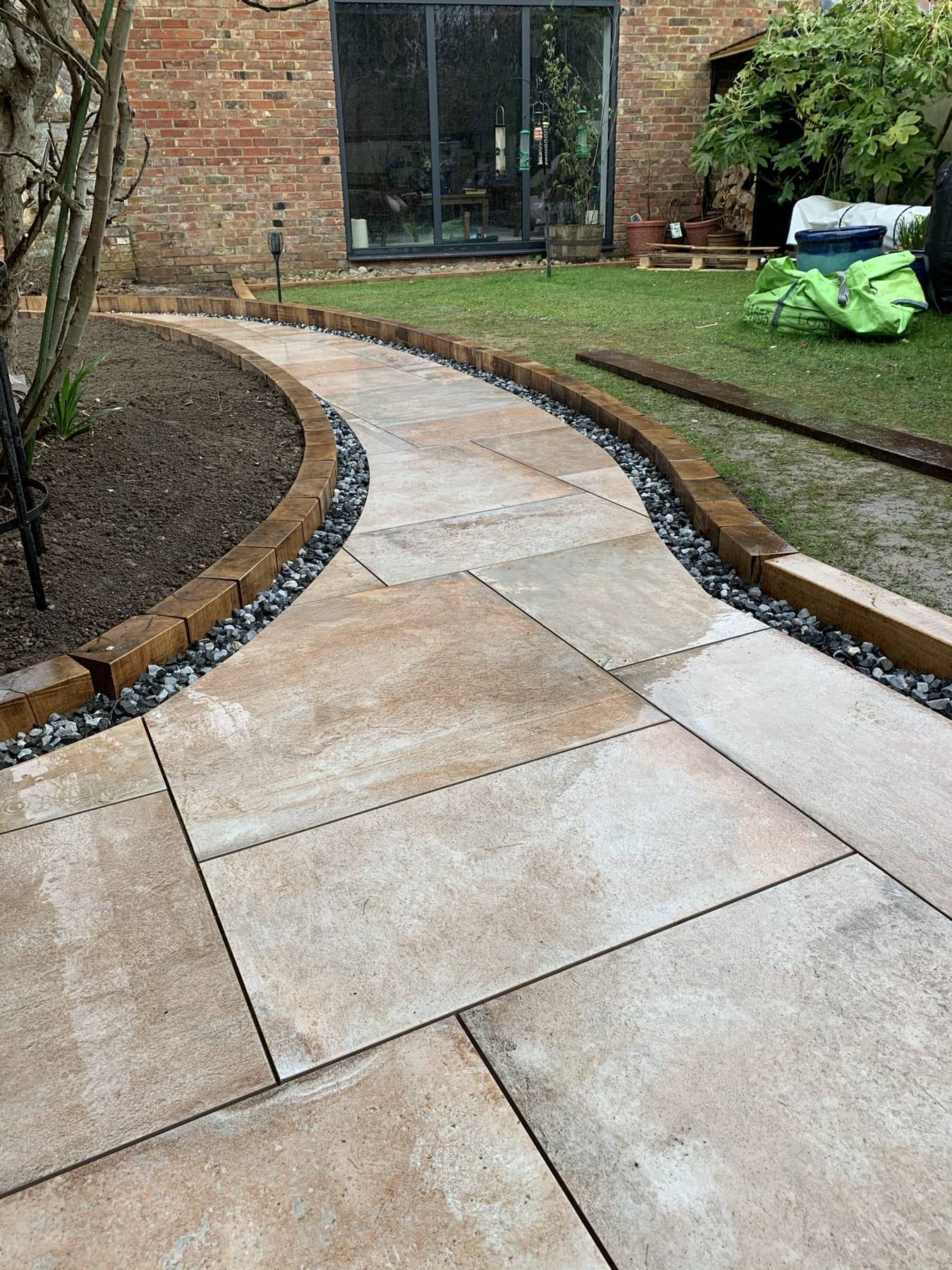
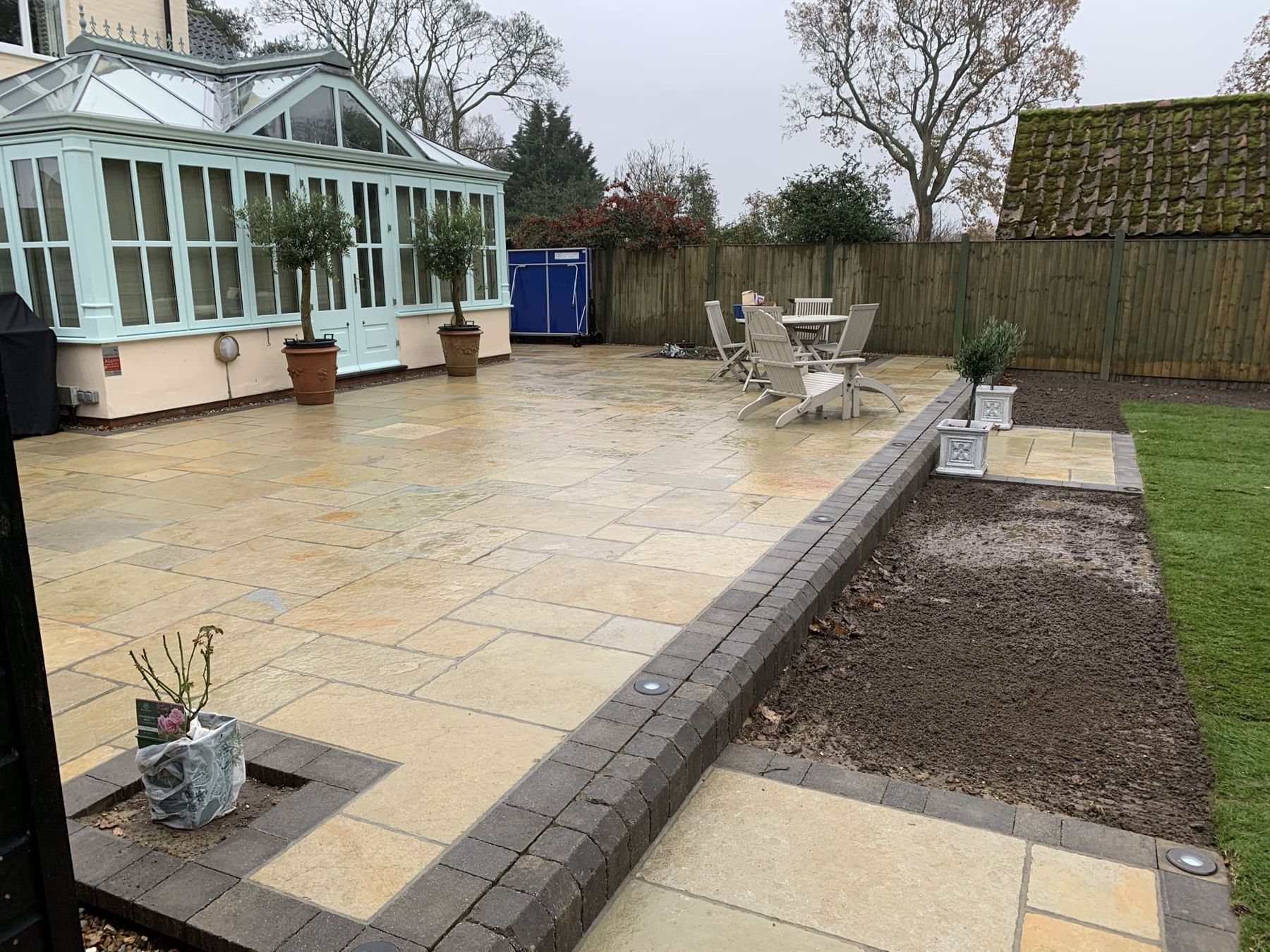
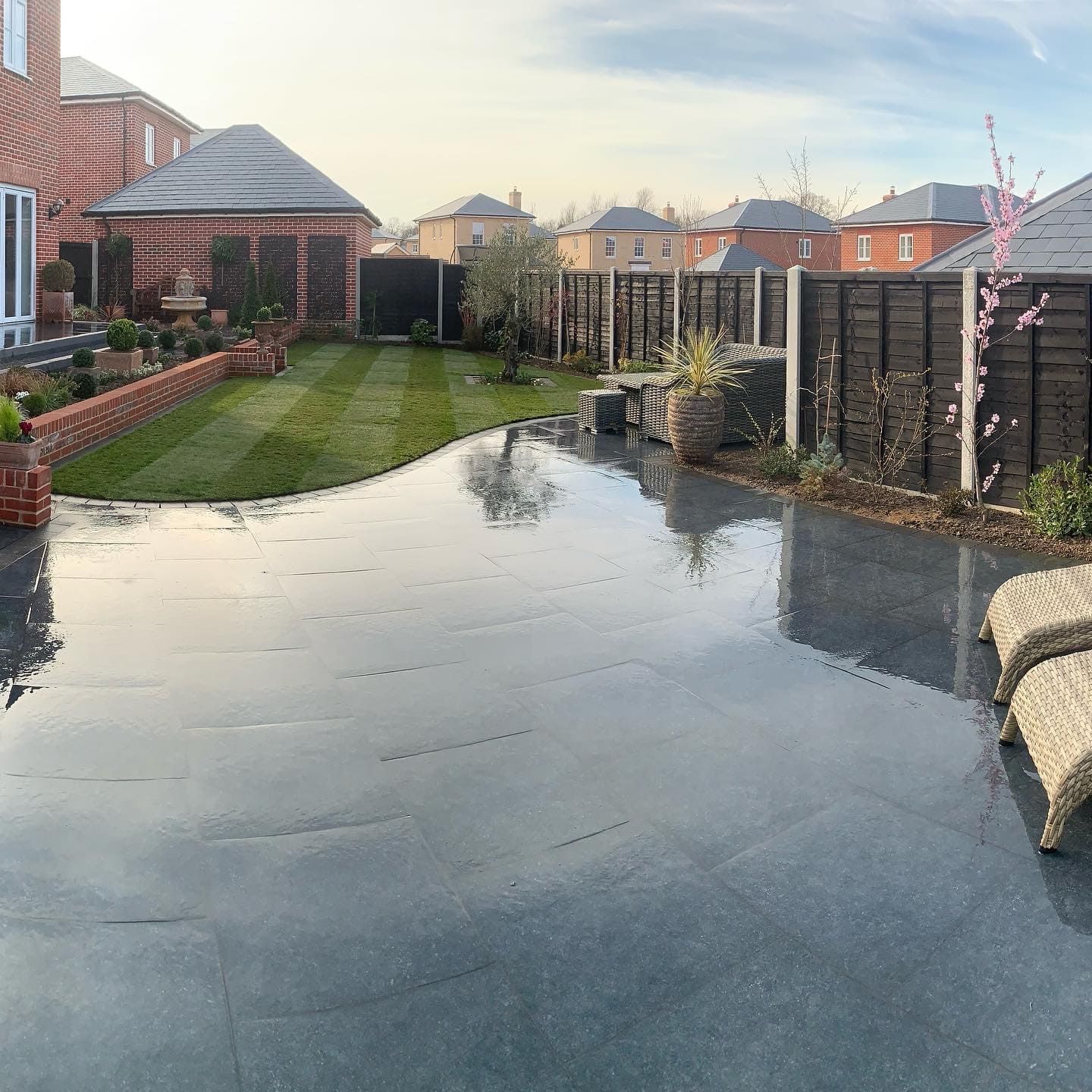
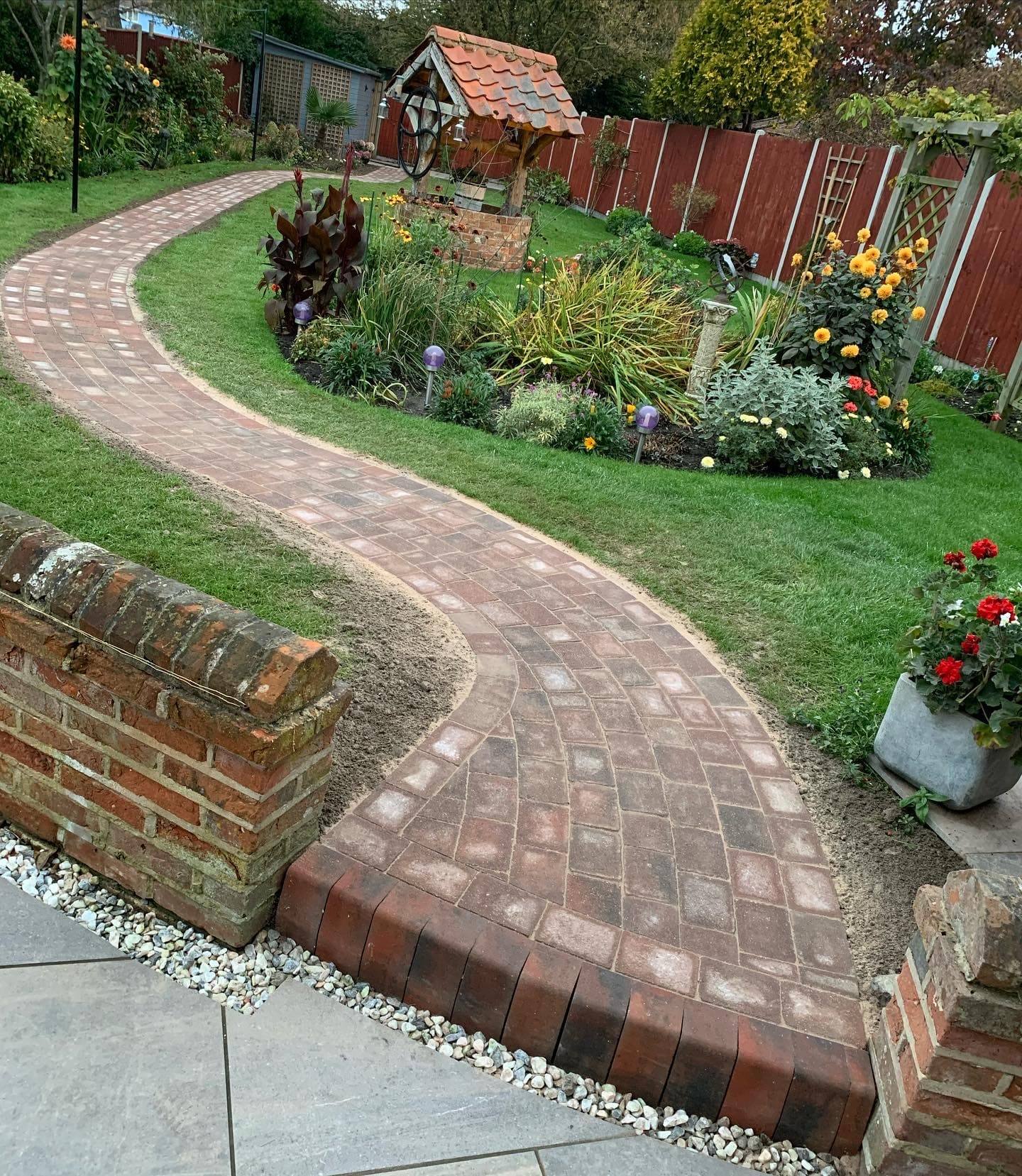
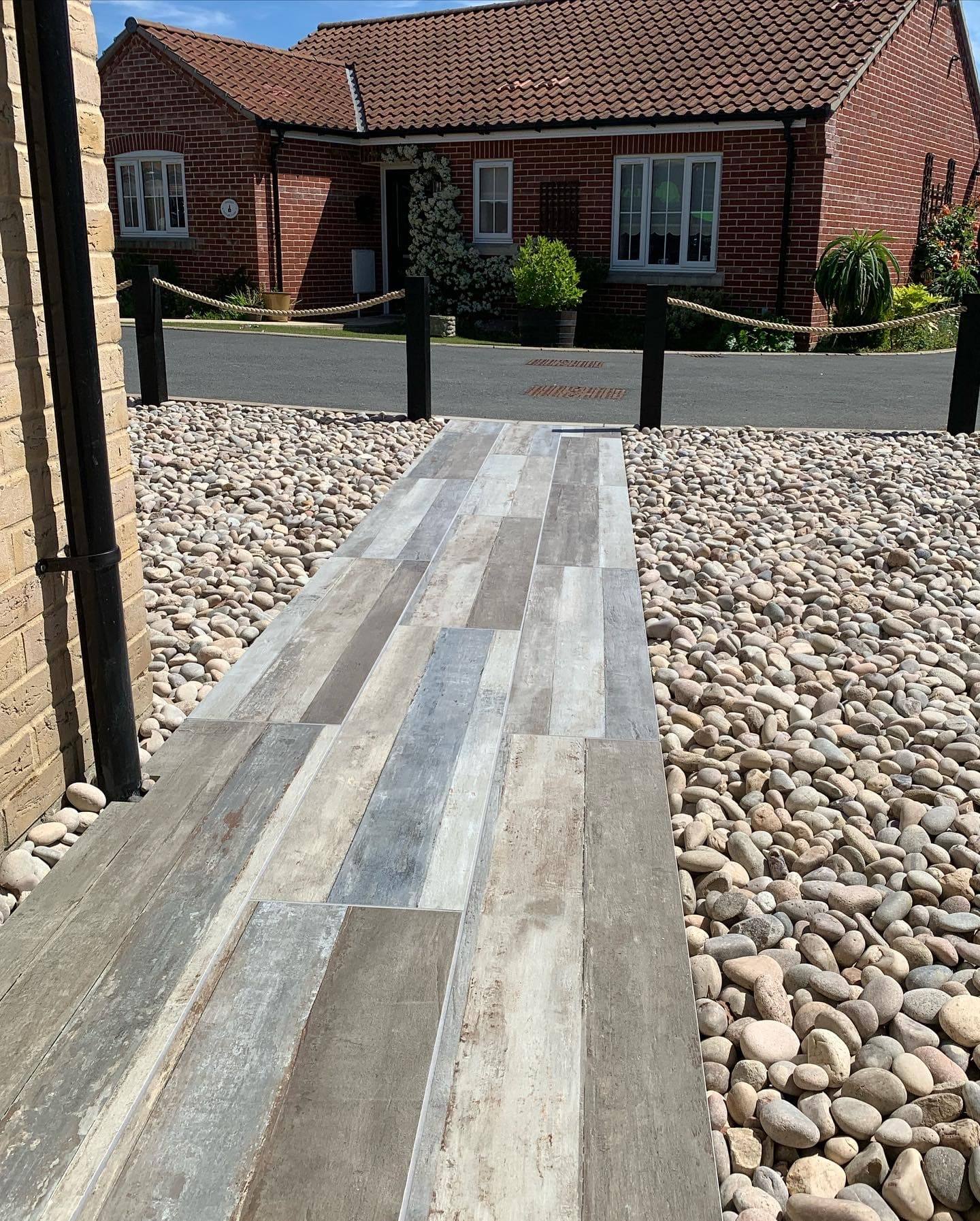
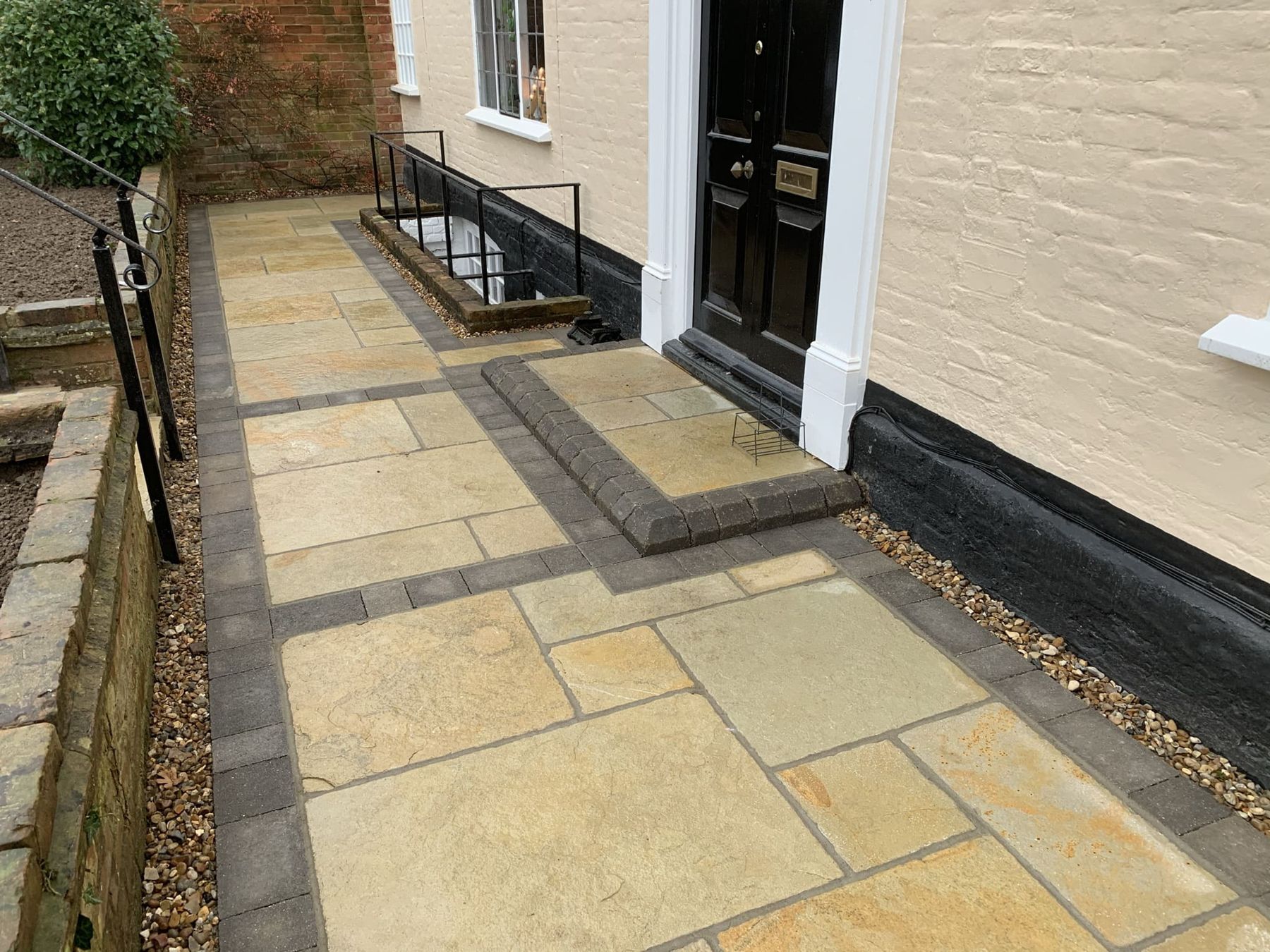
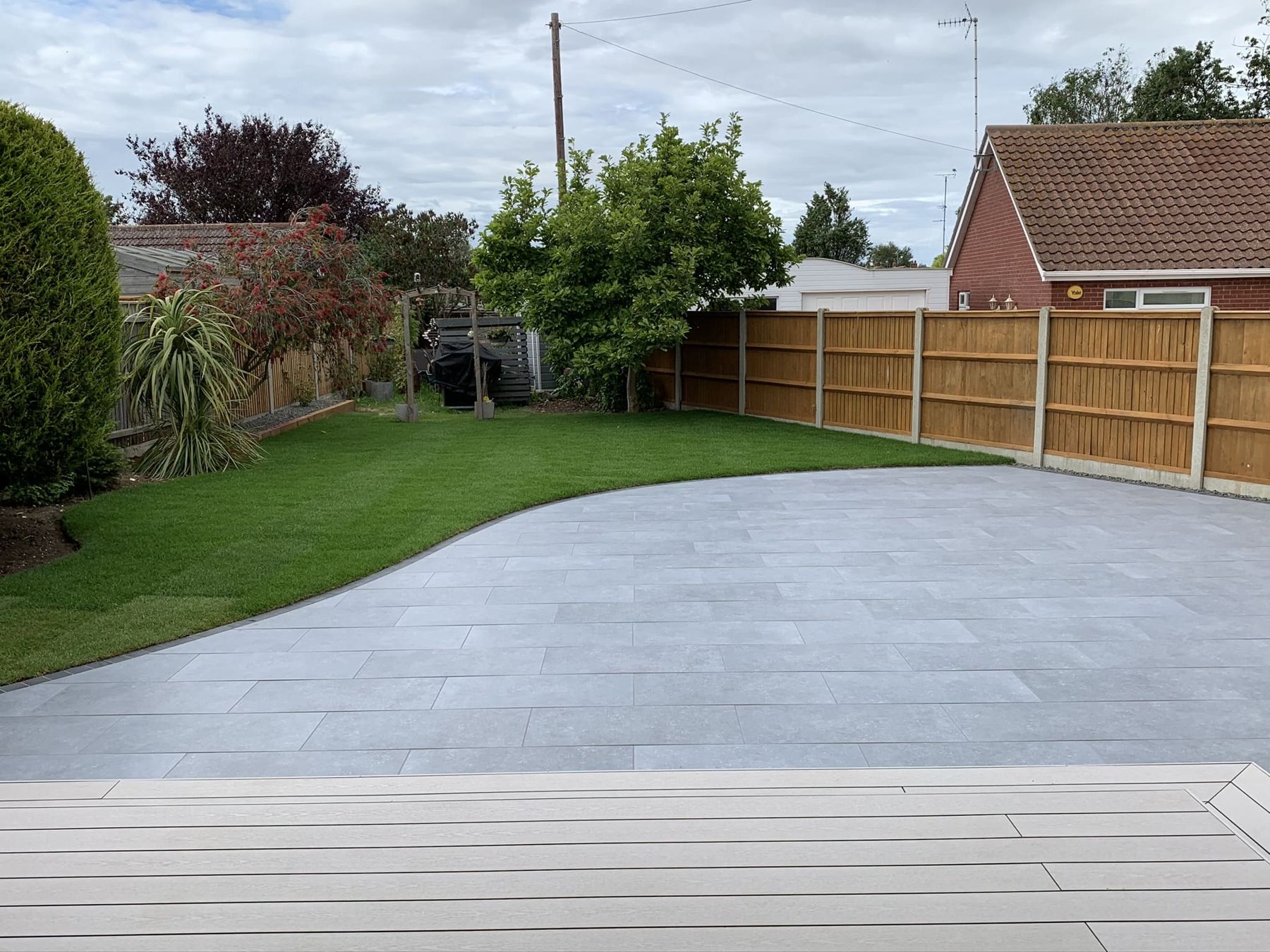
We lay patios and paths in porcelain, natural stone, Indian sandstone and block paving, with steps, edging, retaining walls and decorative aggregate to finish them. A patio can be a dining terrace outside the back door, a surround for a pool, or a sunny spot at the far end of the garden linked by a path.
What a patio or path includes
-
Layout and setting out
We agree the shape, size and levels with you and mark it out before any digging.
-
Ground preparation
Digging out, removing the spoil and building a compacted sub-base for the paving to sit on.
-
Laying the paving
Porcelain, natural stone, Indian sandstone or block paving, laid to the falls so rainwater runs away.
-
Steps, edges and walls
Steps, edging, raised sleeper beds and retaining walls where the levels or the design need them.
-
Jointing and finishing
Joints filled and the surface cleaned, with gravel or decorative aggregate borders where planned.
-
A tidy site
Waste removed and the garden left clean, ready to use.
What to plan before a new patio
-
The right size
Put your table and chairs out on the lawn and walk round them. A patio usually needs more room than people expect once chairs are pushed back.
-
Porcelain or natural stone
Porcelain is dense, consistent in colour and easy to clean. Natural stone such as Indian sandstone varies from slab to slab and weathers over time. Both suit some gardens better than others.
-
Levels and the damp-proof course
A patio against the house should finish at least 150mm below the damp-proof course and fall gently away from the walls so water does not sit against them.
-
Sun and shelter
Think about where the sun is when you would sit out. The spot outside the back door is not always the sunniest place in the garden.
-
Getting materials in
Paving is heavy. Work out how it will reach the back garden, and whether a side gate or fence panel will need to come out for a while.
Good to know
-
Natural stone changes when wet
Sandstone and limestone look darker when wet and can vary between batches, so it is worth seeing a sample both wet and dry before you choose.
-
Porcelain grip is rated
Outdoor porcelain is given a slip rating. Ask for the rating of the tile you like if the patio will be used near a pool or in shade.
-
White marks can appear and fade
New paving sometimes shows white salts on the surface as it dries out. It is common and usually weathers away.
-
Clean it regularly
A sweep and an occasional wash keep moss and algae down. We also offer pressure washing and re-sanding for older patios.
How a patio job works
-
Consultation and planning
We visit, measure and talk through how you will use the patio or path, the look you want and your budget.
-
Design and material selection
We agree the layout, levels and paving, and you can see samples before you decide.
-
Installation
We prepare the ground, build the base and lay the paving, steps and edging.
-
Finishing touches and aftercare
We joint, clean and clear the site, and tell you how to look after the new surface.
Questions customers ask
Should I choose porcelain or natural stone?
Porcelain is low-maintenance and consistent; natural stone has more character and weathers with age. We can show you both and talk through how each suits your garden and the way you use it.
Can you lay a patio around a pool?
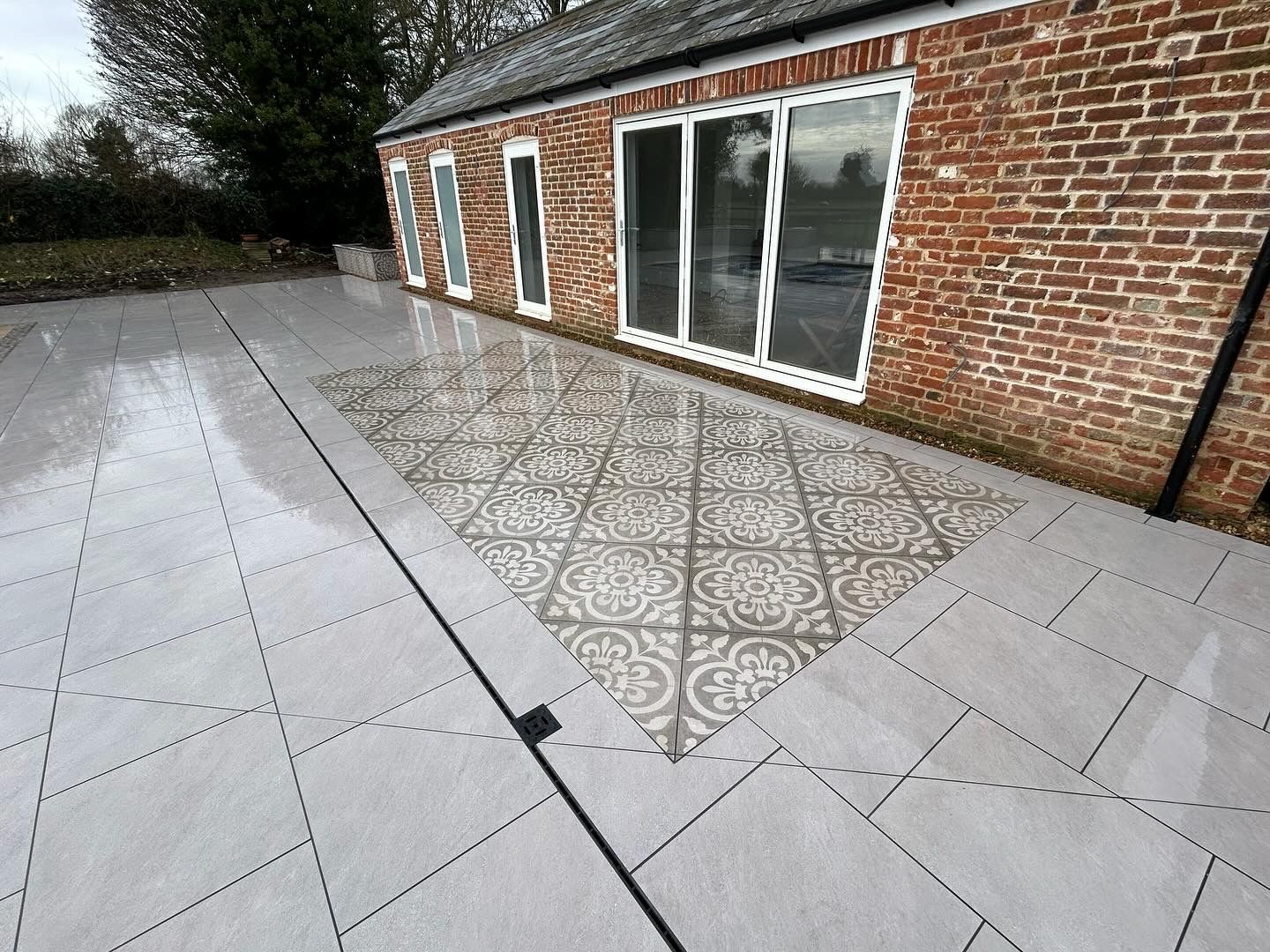
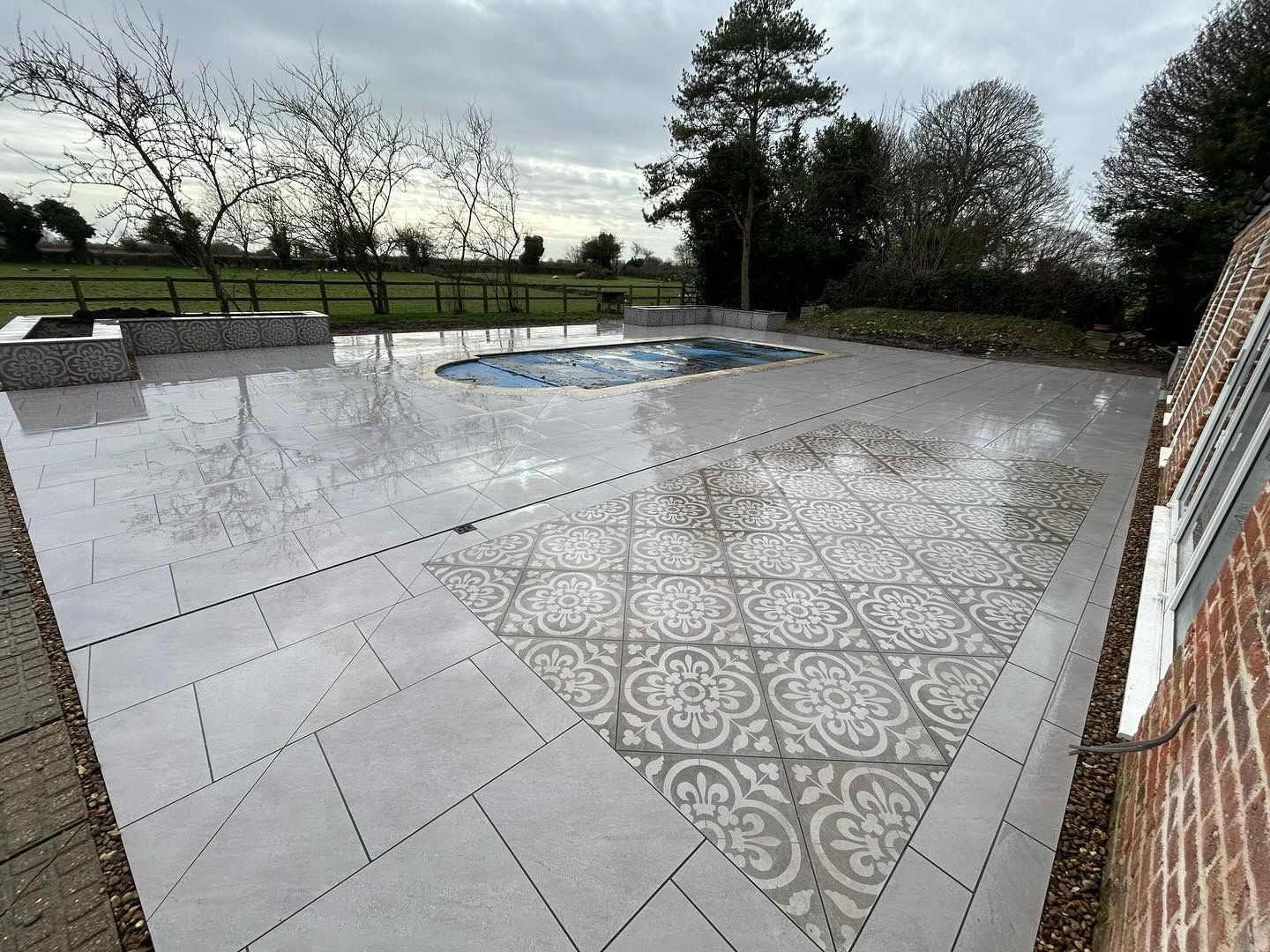
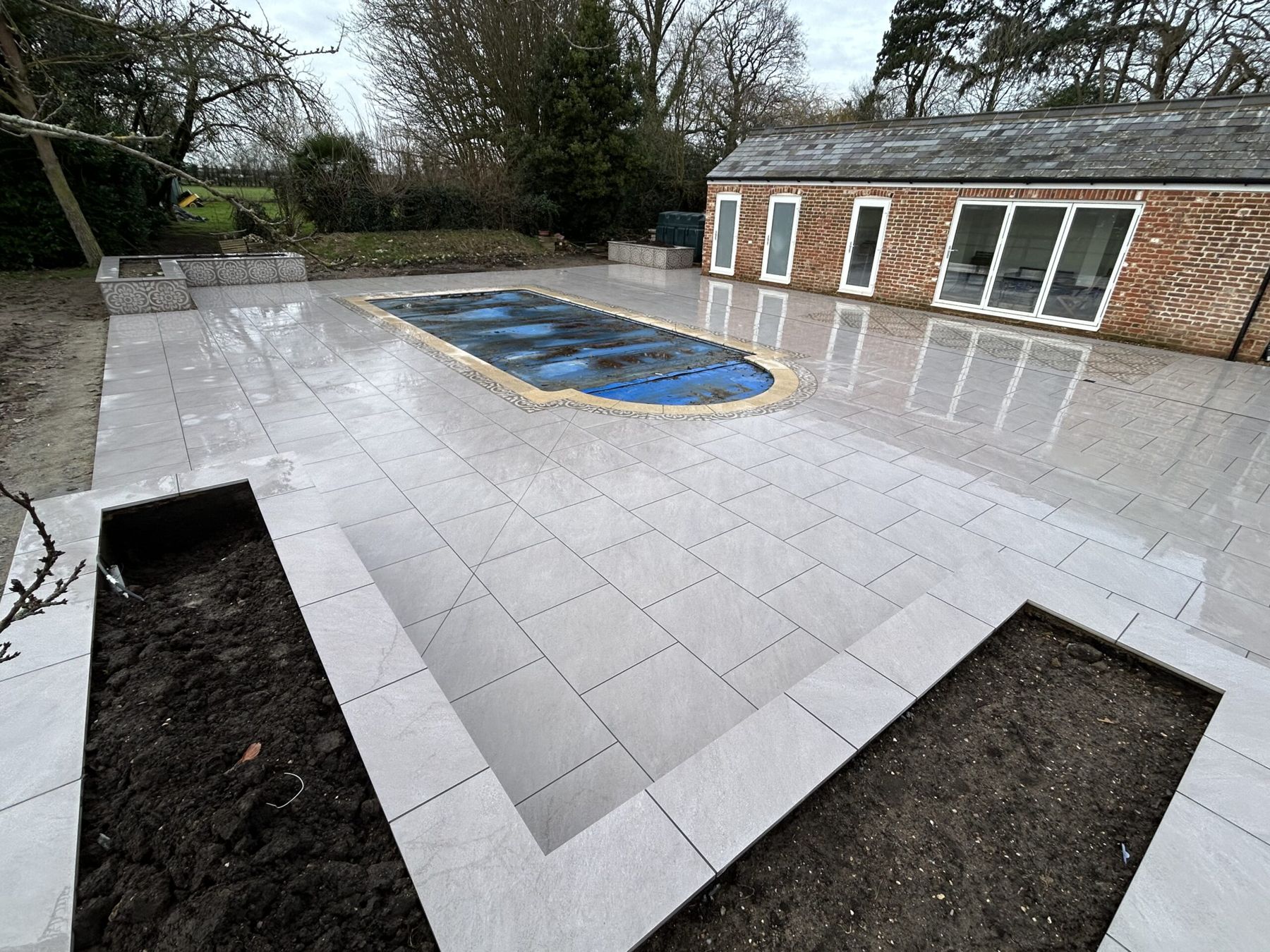
Yes. We have laid patios around outdoor pools, including patterned inlays and planting beds set into the paving.
Do you build steps and raised beds as well?
Yes. Steps, raised sleeper beds and retaining walls are often part of a patio, especially where the garden slopes.
Will a new patio need planning permission?
A ground-level patio at the back of a house does not usually need planning permission. A raised terrace, or work at a listed building or in a conservation area, may, so check with your council if that applies.
How do I keep a patio looking good?
Sweep it, wash it now and then, and deal with moss before it takes hold. For an older patio we offer pressure washing, fresh jointing sand and a sealant.
Can a path match the patio?
Yes. Using the same paving, or a material that complements it, for the paths and steps makes the garden feel planned as one.